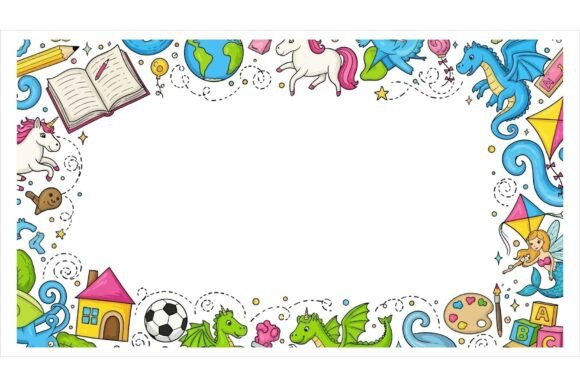
Colorful Kids Border Illustration for Backgrounds and Creative Projects
As a seasoned digital product creator, I’ve reviewed countless design assets over the years. When it comes to Colorful Kids Border Illustration, this one stands out—not because of flashy claims or high-resolution marketing photos, but because it feels like a solid foundation for building something real. Whether you're prepping an Etsy listing, crafting a Canva template bundle, or designing print-on-demand products, this illustration has potential.
First Impressions and Niche Appeal
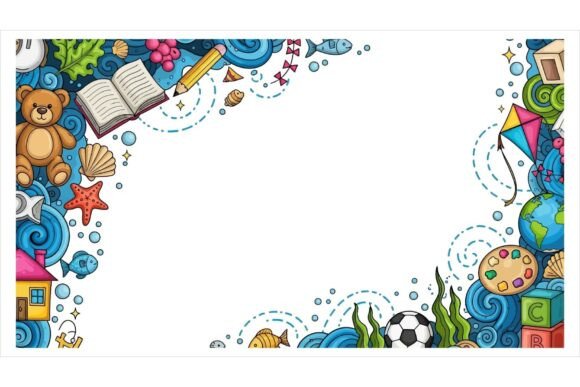
The first thing that caught my eye about the Colorful Kids Border Illustration was its vibrant palette and playful tone. It’s clearly tailored for a children's audience, with whimsical shapes and soft curves that evoke a sense of joy and imagination. The colors are cheerful without being overwhelming—think pastels mixed with pops of bold hues like yellow, coral, and teal.
This kind of visual language is perfect for sellers targeting parents, educators, or anyone creating content for kids. From birthday invitations to nursery decor, the illustration adds charm and warmth. But what really matters is whether it fits your brand identity. If you're in the handmade business or run a boutique offering educational materials, this asset can enhance your visual storytelling and help build customer trust through consistent, appealing aesthetics.
Visual Personality and Audience Attraction
The visual personality of the border leans more towards the cute and decorative side than anything too edgy or minimalist. That means it works best for soft-sell markets like baby gifts, learning tools, or seasonal crafts. It doesn’t scream “premium,” but it does feel professional enough to be used in commercial projects like greeting cards or social media templates.
If your shop has a focus on small business branding around family-friendly themes, this could be a good fit. However, if your aesthetic is more modern or sleek, you might want to pair it carefully with other elements to avoid clashing styles.
Real-World Applications in Product Creation
I tested the Colorful Kids Border Illustration across several platforms and product types. Here’s how it performed:
- Etsy product listings: Used as a border on printable wall art, it gave a fun and inviting look that stood out in a sea of generic designs.
- Cricut project overlays: Worked well as a decorative frame for planner stickers and scrapbooking kits, though I had to simplify some sections to ensure clean cutting lines.
- Canva template backgrounds: Added character to layouts for kid-themed blogs and YouTube channels. Just needed to adjust the opacity slightly for text-heavy areas.
- Printable file bundles: Looked great in digital paper packs and sticker sheets, especially when layered with other gentle illustrations.
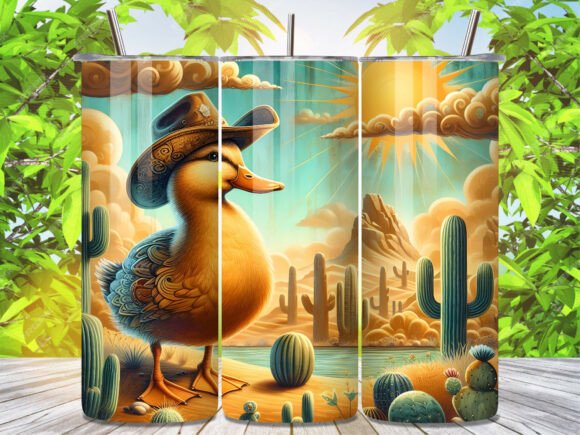
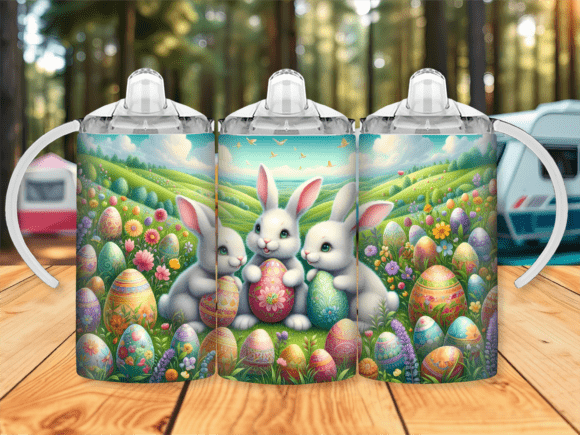
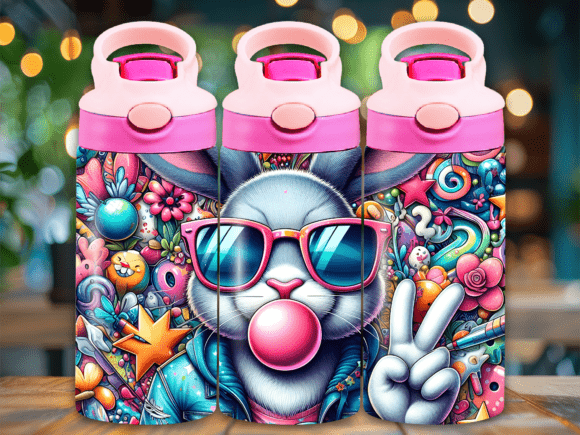
- Merchandise graphics: Applied to t-shirts, mugs, and tumblers, it maintained clarity even after printing and held up well under different lighting conditions.
What impressed me most was how versatile the design became when paired with the right typography. It worked beautifully with both serif fonts for a classic touch and script fonts for a more personal, handwritten vibe. Even display fonts didn’t clash, as long as the contrast between the text and the border was balanced.
Product Presentation and Listing Strategy
When evaluating a graphic design asset for online selling, presentation is key. I placed the Colorful Kids Border Illustration into mockups to see how it would appear on final products. The result? A noticeable boost in thumbnail appeal. Listings with this border felt more cohesive and professionally curated, which is important for standing out on marketplaces like Etsy or Creative Fabrica.
Here’s how I suggest using it effectively in your product listings:
- Create product mockups with large previews showing the border at work on different items—like a printed mug or a digital planner page.
- Use it in seasonal collections to maintain a unified theme across your offerings. For example, a back-to-school bundle featuring borders, stickers, and SVGs in matching colors.
- Incorporate it into design bundles as a background element or layout guide to show customers how they can use it creatively.
- Test how it looks on both white and dark backgrounds. It’s more adaptable than I initially expected, though some color combinations may need tweaking for optimal visibility.
One thing I noticed is that the border elevates perceived value. Buyers tend to associate colorful, well-designed visuals with quality, so including it in your product packaging design or blog graphics can subtly signal professionalism and attention to detail.
Where This Design Works Best
The Colorful Kids Border Illustration shines brightest in certain applications:
- Large product previews: Especially useful for showcasing digital paper packs or SVG cutouts where the full design needs to be visible.
- Themed bundles: Think holiday cards, birthday invitations, or seasonal printable files. The border helps unify each item in the collection.
- Decorative layouts: Ideal for adding flair to greeting cards, planners, or scrapbooking kits.
- Printable products: Looks great in digital downloads like party invites or educational worksheets.
- Social media promos: Can serve as a subtle background element in promotional posts or Instagram stories targeting parents and teachers.
- Digital download shops: Adds personality to PDF templates, making them more engaging and easier to sell.
It also performs well in creative marketplace listings where visual hierarchy is essential. As a border, it frames the content nicely without overpowering it, helping buyers quickly grasp the style and purpose of the product.
Where to Use It Carefully
While this design is highly usable, there are a few scenarios where it might not be the best choice:
- Tiny sticker details: Some elements of the border are too intricate to scale down without losing clarity.
- Overly complex layouts: Layering too many assets with the border can make the design feel cluttered. Keep it simple.
- Low-resolution prints: Always check how it looks in print before publishing. I found that lower-quality printers can muddy the colors and soften the edges.
- Crowded thumbnails: While the border enhances visuals, it should never compete with your main product image. Test it in various thumbnail sizes to ensure legibility.
- Dark backgrounds: The colors don’t always pop against darker tones. You may need to tweak the layering or apply a white stroke to certain parts for better contrast.
- Text-heavy templates: The illustration should support—not distract from—the content. In such cases, consider using it as a subtle overlay or corner accent instead of a full border.
- SVG cut quality: For Cricut or Silhouette users, inspect the SVG file closely. Some curved elements may require slight adjustments for smooth cuts.
These limitations aren’t deal-breakers but rather reminders to test thoroughly before launching any product line. A little prep goes a long way in avoiding customer complaints or returns due to poor print or cut quality.
Practical Seller Tips for Using Colorful Kids Border Illustration
Before publishing any product that uses this graphic design asset, here are some steps I recommend:
- Test the design on real mockups: Use free or paid mockup generators to simulate how it will look on finished products like mugs, shirts, or digital planners.
- Preview it as a marketplace thumbnail: Upload it to Etsy or Shopify in various sizes to see if it retains visual impact at smaller scales.
- Check how it looks on white and dark backgrounds: This ensures it adapts well to different product types and display settings.
- Test print colors: Print a sample on a standard home printer to confirm the vibrancy and accuracy of the colors.
- Verify PNG transparency: Make sure the alpha channel is clean if you plan to use it in transparent formats for overlays or web-based graphics.
- Inspect SVG cut quality: If using it for Cricut or Silhouette projects, open the file in your software to check for smooth paths and accurate shapes.
- Confirm file resolution: For print-on-demand or sublimation work, ensure the design meets minimum requirements (usually 300dpi).
- Organize files clearly for customers: If you’re bundling it with other assets, label folders and include usage notes for easy implementation.
- Pair it with appropriate fonts: Experiment with serif, sans-serif, script, and handwritten font styles to find the best match for your brand voice.
- Confirm commercial licensing: Always double-check the terms of use. You don’t want to invest time and money only to discover restrictions later.
By taking these steps, you’ll ensure that the Colorful Kids Border Illustration supports your product line effectively while maintaining a professional appearance across all platforms.
Final Thoughts for Digital Sellers
Design assets like the Colorful Kids Border Illustration offer more than just aesthetic value—they contribute to brand consistency and can streamline your creative workflow. When used thoughtfully, it becomes part of your visual identity, helping you create products that resonate with your target audience and reflect your brand values.
For those in the print-on-demand space, this border is particularly handy. It can be applied consistently across multiple products, giving your shop a unified and polished look. And for creators selling clipart bundles or digital paper packs, it offers a fresh angle that’s both functional and charming.
In short, the Colorful Kids Border Illustration is a reliable addition to your design toolkit—if you take the time to understand its strengths and limitations. With proper testing and smart pairing, it can become a staple in your next product launch or seasonal collection.